


How to Prepare for Your First Dive: A Beginner’s Guide
- Robert Attama
- Oct 6, 2025
- 4 min read
Diving into the underwater world for the first time is an exciting adventure. However, it requires preparation, knowledge, and confidence to ensure a safe and enjoyable experience. Whether you dream of exploring coral reefs or discovering marine life, getting ready for your first dive is essential. This guide will walk you through everything you need to know before taking the plunge.
Understanding the Basics of Scuba Certification
Before you dive, it’s important to understand what scuba certification involves. Scuba training teaches you how to use diving equipment, manage your breathing underwater, and handle potential challenges. It also covers safety procedures and underwater communication.
Most beginners start with a certification course that includes dive theory lessons, pool practice, and open water dives. These courses are designed to build your skills gradually and ensure you feel comfortable underwater.
If you want to learn more about professional courses, consider checking out scuba diving training programs offered by certified instructors. These programs provide hands-on experience and expert guidance.

What to Expect During Your Scuba Training
Scuba training usually begins with theory lessons. You will learn about:
How your body reacts underwater
The physics of diving
Equipment functions and maintenance
Safety rules and emergency procedures
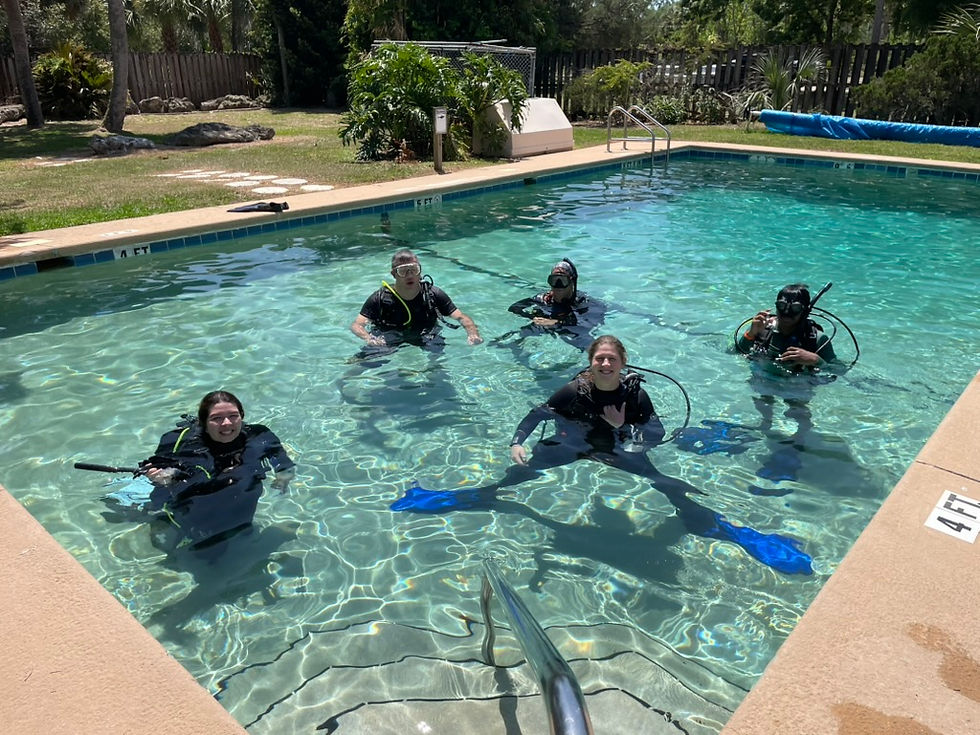
After theory, you will practice in a controlled environment like a swimming pool. This is where you get comfortable with your gear, learn to breathe through the regulator, and practice basic skills such as clearing your mask and equalizing pressure.
Finally, you will complete open water dives under instructor supervision. These dives allow you to apply what you’ve learned in a real underwater setting.
Throughout the training, instructors emphasize safety and encourage questions. Don’t hesitate to ask for clarification or extra practice if needed.
How Much Is It to Learn to Scuba Dive?
The cost of learning scuba diving varies depending on location, course type, and equipment rental. On average, expect to pay between $549 and $699 for a beginner certification course. This price usually includes:
Classroom and pool sessions
Open water dives
Rental of basic scuba gear (mask, fins, snorkel, regulator, buoyancy control device)
Additional costs may include:
Personal gear purchase (wetsuit, dive computer)
Specialty courses or advanced certifications
Travel expenses if training is done at a resort or dive destination
Some dive shops offer package deals or discounts for group bookings. It’s a good idea to compare prices and read reviews before choosing a training provider.
Investing in quality training and equipment will enhance your safety and enjoyment underwater.

Essential Tips to Prepare for Your First Dive
Preparation is key to a successful first dive. Here are some practical tips:
Get a Medical Checkup
Diving can be physically demanding. Make sure you are in good health and discuss any medical conditions with your doctor.
Choose the Right Training Program
Look for certified instructors and reputable dive centers. Verify that the course meets international standards.
Practice Swimming Skills
Being comfortable in the water helps reduce anxiety. Practice swimming and floating before your course.
Learn Basic Equipment Handling
Familiarize yourself with your gear before the course. Watching videos or reading manuals can help.
Stay Hydrated and Rested
Avoid alcohol and heavy meals before diving. Being well-rested improves focus and energy.
Ask Questions
Don’t be shy about asking your instructor anything. Understanding every step builds confidence.
Stay Calm and Relaxed
Nervousness is normal. Practice slow, deep breathing to stay calm underwater.
What to Bring on Your First Dive
Packing the right items can make your first dive more comfortable and enjoyable. Here’s a checklist:
Swimsuit and Towel
Wear your swimsuit under your wetsuit or dive skin.
Dive Logbook
To record your dives and progress.
Water Bottle
Staying hydrated is important.
Sunscreen and Hat
Protect yourself from sun exposure before and after diving.
Personal Gear (optional)
If you have your own mask, snorkel, fins, or wetsuit, bring them along.
Certification Card
If you have previous training or medical clearance.
Snacks
Light snacks can help maintain energy levels.
Most dive centers provide rental gear, but having your own equipment can improve comfort and fit.
Building Confidence for Your Underwater Adventure
Your first dive is a memorable experience. Building confidence is part of the journey. Here are some ways to boost your comfort level:
Visualize the Dive
Imagine yourself calmly exploring underwater.
Practice Breathing Techniques
Slow, steady breaths help conserve air and reduce stress.
Buddy Up
Diving with a partner increases safety and enjoyment.
Focus on the Experience
Enjoy the sights and sounds of the underwater world.
Take Your Time
Don’t rush. Move slowly and observe your surroundings.
Remember, every experienced diver started as a beginner. With proper training and preparation, you will soon feel at home beneath the waves.
Embarking on your first dive is an exciting step into a new world. By understanding the basics of scuba training, preparing physically and mentally, and choosing the right course, you set yourself up for a safe and unforgettable adventure. Dive in with confidence and enjoy the beauty that lies beneath the surface.


Comments