


Understanding the Steps to Becoming a Certified Scuba Diver
- Robert Attama
- Sep 20, 2025
- 4 min read
Scuba diving opens up a fascinating underwater world filled with vibrant marine life and stunning landscapes. Becoming a certified scuba diver is the first step to safely exploring this environment. This guide will walk you through the essential steps to achieve your scuba certification, providing clear explanations and practical advice to help you get started.
What Is Scuba Certification and Why Is It Important?
Scuba certification is an official recognition that you have completed the necessary training to dive safely and responsibly. It involves learning about diving equipment, underwater communication, safety procedures, and basic diving skills. Certification is important because it ensures you understand how to manage risks and enjoy diving without endangering yourself or others.
Most dive shops and resorts require proof of certification before allowing you to rent equipment or join guided dives. Additionally, certified divers gain access to more advanced courses and exciting dive locations worldwide.
The Essential Steps in the Scuba Certification Process
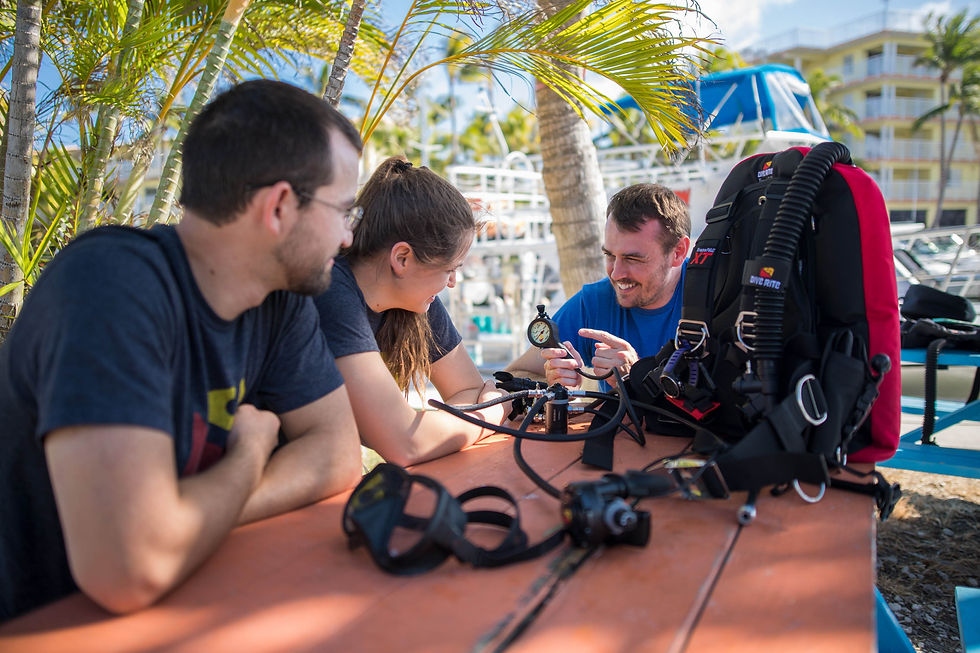
The journey to becoming a certified scuba diver starts with the Open Water Diver course and typically involves three main phases: knowledge development, confined water training, and open water dives. Each phase builds your skills and confidence progressively.
Knowledge Development
This phase covers the theoretical aspects of diving. You will learn about dive physics, physiology, equipment, and safety protocols. Many courses offer flexible learning options, including online modules and classroom sessions. It is important to study carefully and complete quizzes or exams to ensure you understand the material.
Confined Water Training
Confined water training takes place in a swimming pool or shallow, controlled environment. Here, you practice essential skills such as mask clearing, regulator recovery, buoyancy control, and emergency procedures. This hands-on experience is crucial for building comfort and competence underwater.
Open Water Dives
The final step involves completing a series of open water dives under the supervision of a certified instructor. These dives allow you to apply your skills in real-world conditions, such as lakes, quarries, or the ocean. You will demonstrate your ability to plan and execute safe dives, communicate underwater, and handle potential challenges.
For a detailed overview of the scuba certification process, including course options and requirements, visiting a reputable dive center’s website is highly recommended.

Choosing the Right Instructor and Course
There are several internationally recognized scuba certification agencies, including PADI, NAUI, SSI, and SDI. Each agency offers similar entry-level courses, but what is really the most important factor is selecting the right Instructor for you. Research your options with various Instructors, they will differ in teaching style, course structure, and skill levels. Be sure to choose an instructor that can adapt to your style of learning and has a history of creating safe, courteous, conscientious, and confident skilled divers.
When selecting a course, consider the following factors:
Location and Accessibility: Choose an Instructor close to your home or travel destination.
Instructor Experience: Look for certified instructors with good reviews and teaching reputations.
Course Format: Decide if you prefer online theory, in-person classes, or a combination of both.
Cost and Equipment Rental: Understand what is included in the course fee and if you need to rent or buy gear.
Many beginners start with the Open Water Diver course, which is the most common entry-level certification. This course typically takes 3-4 days to complete and includes all three phases mentioned earlier.

Tips for a Successful Scuba Certification Experience
To make the most of your certification journey, keep these practical tips in mind:
Stay Physically Fit: Basic swimming skills and good health are essential. If you have any medical conditions, consult a doctor before enrolling.
Practice Swimming: Comfort in the water will boost your confidence during training.
Ask Questions: Don’t hesitate to clarify doubts with your instructor.
Take Your Time: Rushing through the course can lead to mistakes. Focus on mastering each skill.
Invest in Quality Gear: While rental equipment is fine initially to try before you buy, having your own wetsuit, mask, snorkel, and fins can improve comfort and performance.
Log Your Dives: Keep a dive logbook to track your progress and experiences.
By following these recommendations, you will build a strong foundation for a safe and enjoyable diving career.

What Comes After Certification?
Once you are certified, the underwater world is yours to explore. Many divers continue their education by taking advanced courses such as Advanced Open Water Diver, Rescue Diver, or specialty courses like underwater photography or wreck diving.
Joining a local dive club or community can also enhance your experience by providing opportunities for group dives, travel, and social events. Remember, diving is a lifelong learning process, and staying current with skills and safety practices is essential.
Whether you plan to dive occasionally on vacations or pursue it as a serious hobby, your certification is the key to unlocking countless adventures beneath the waves.
Becoming a certified scuba diver is an exciting and rewarding journey. By understanding the steps involved and preparing adequately, you can confidently take the plunge into this amazing underwater world. Dive safe and enjoy every moment!


Comments