


Must-Visit Diving Spots in Florida for Enthusiasts
- Robert Attama
- Sep 28, 2025
- 4 min read
Florida is a paradise for diving lovers. Its warm waters, diverse marine life, and unique underwater landscapes make it a top destination for both beginners and experienced divers. From vibrant coral reefs to mysterious shipwrecks, Florida offers a variety of dive sites that promise unforgettable underwater adventures. Whether you want to explore natural reefs or historical wrecks, this guide will help you discover some of the must-visit Florida dive sites.
Top Florida Dive Sites You Should Explore
Florida’s coastline stretches over 1,300 miles, providing countless opportunities for diving. Here are some of the most popular and exciting dive spots that attract divers from around the world:
1. The Florida Keys National Marine Sanctuary
The Florida Keys are famous for their crystal-clear waters and extensive coral reefs. The sanctuary protects over 2,900 square nautical miles of marine habitat, including the only living coral barrier reef in the continental United States. Popular dive spots here include:
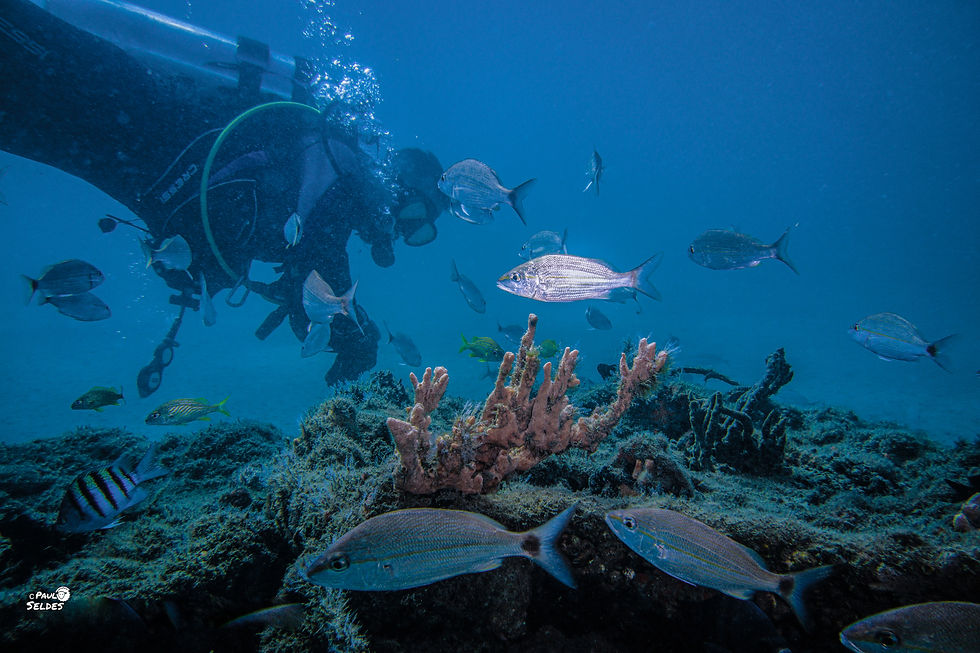
John Pennekamp Coral Reef State Park: Known for its colorful coral formations and abundant marine life such as parrotfish, angelfish, and sea turtles.
Molasses Reef: A shallow reef perfect for snorkeling and diving, featuring vibrant corals and a variety of tropical fish.
Christ of the Abyss: A submerged bronze statue of Jesus Christ, a unique underwater landmark for divers.

2. The Blue Heron Bridge, West Palm Beach
This site is a favorite among underwater photographers and macro enthusiasts. The Blue Heron Bridge offers easy shore diving with a rich variety of small critters like seahorses, nudibranchs, and pipefish. The calm waters and excellent visibility make it ideal for all skill levels.
3. The USS Oriskany, Pensacola
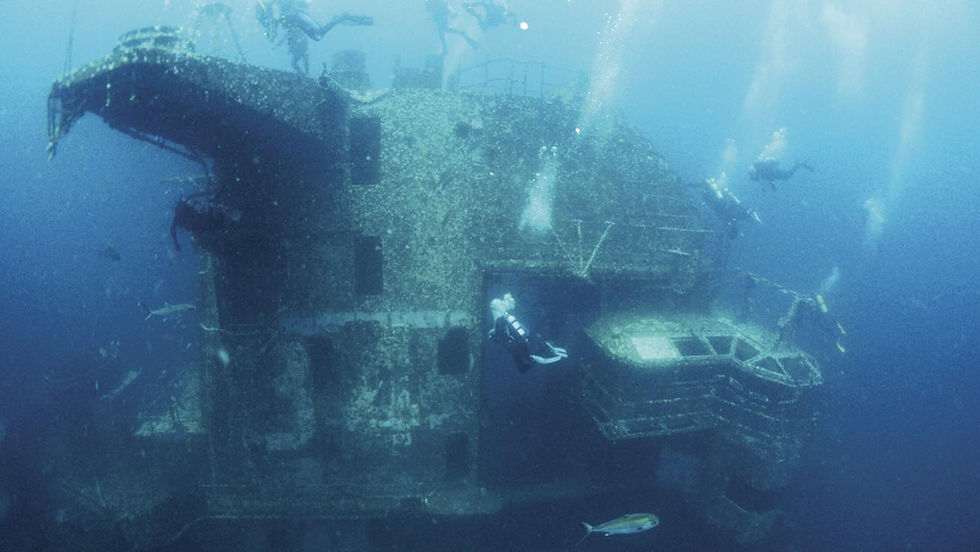
Known as the "Great Carrier Reef," the USS Oriskany is the largest artificial reef in the world. This decommissioned aircraft carrier was intentionally sunk in 2006 and now serves as a habitat for numerous fish species. Divers can explore the massive shipwreck, which lies at a depth of about 210 feet, making it suitable for advanced divers.
What are the best months to dive in Florida?
Florida’s diving conditions vary throughout the year, but generally, the best months to dive are from April to October. During this period, the water temperatures are warm, ranging from the mid-70s to mid-80s Fahrenheit, which is comfortable for diving without heavy exposure suits.
Spring (April - June): Water clarity improves, and marine life is abundant. This is a great time to see spawning fish and juvenile sea creatures.
Summer (July - September): Warmest water temperatures and excellent visibility. However, be mindful of the hurricane season starting in June, which can affect dive plans.
Fall (October): Water remains warm, and the crowds start to thin out. Visibility can be excellent, especially after storms clear the water.
Winter months (November to March) are cooler, with water temperatures dropping to the mid-60s, which may require thicker wetsuits. Visibility can also be reduced due to storms and colder weather.
Unique Dive Experiences in Florida
Florida offers more than just reefs and wrecks. Here are some unique diving experiences that make the state stand out:
1. Freshwater Diving in Ginnie Springs
Located in North Central Florida, Ginnie Springs is a freshwater dive site known for its crystal-clear springs and underwater caves. It’s a favorite spot for cave divers and those who want to experience freshwater diving with excellent visibility. The springs maintain a constant temperature of about 72 degrees Fahrenheit year-round.
2. The Devil’s Den Prehistoric Spring
This underground spring is a prehistoric fossilized sinkhole filled with crystal-clear water. Divers can explore the cavern and see ancient rock formations and fossils. It’s a unique dive site that combines history with adventure.

3. Artificial Reefs in the Gulf of Mexico
Florida has created numerous artificial reefs by sinking ships, concrete structures, and other materials to promote marine life growth. These reefs attract a variety of fish, sharks, and other sea creatures, providing exciting dive opportunities. Popular artificial reefs include the USS Spiegel Grove near Key Largo and the Thunderbolt near Pensacola.
Tips for Planning Your Florida Diving Trip
To make the most of your diving experience in Florida, consider these practical tips:
Choose the right dive operator: Look for certified dive shops with good reviews and experienced guides. They can provide equipment rental, dive training, and local knowledge.
Check dive site conditions: Always check weather, tides, and water visibility before diving. Some sites may be affected by seasonal changes or storms.
Get proper certification: Some dive sites, especially wrecks like the USS Oriskany, require advanced certifications due to depth and complexity.
Respect marine life and environment: Avoid touching corals or disturbing wildlife. Follow responsible diving practices to preserve Florida’s underwater ecosystems.
Plan for safety: Always dive with a buddy, carry necessary safety equipment, and follow dive tables or computers to avoid decompression sickness.
For a comprehensive list of the best florida dive sites, including detailed descriptions and directions, visit Sunshine State Scuba Diving’s website.
Dive into Florida’s Underwater Wonders
Florida’s diverse dive sites offer something for every diver. From the vibrant coral reefs of the Keys to the mysterious shipwrecks of the Gulf, the state is a treasure trove of underwater exploration. Whether you are seeking colorful marine life, thrilling wreck dives, or unique freshwater experiences, Florida’s waters will not disappoint. Plan your next dive trip here and discover why Florida is one of the top diving destinations in the world.


Comments